YOU COULD HAVE BEEN HERALDED AS THE MOTHER OF CHICK LIT!!
Instead it goes to Jane Austen.
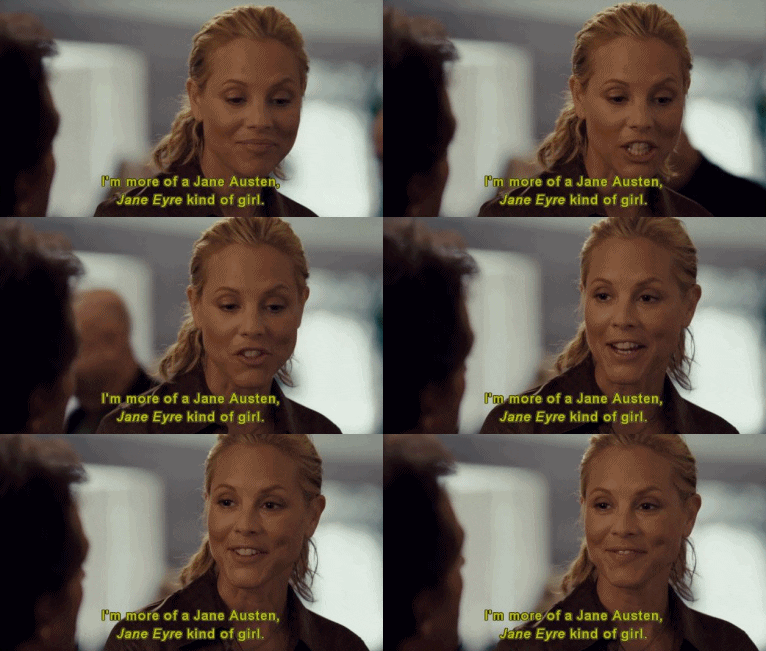
But I'll get to that in a bit.
Matilda gets to Paris and is warmly welcomed by the Marchioness and her husband. She learns that the mysterious kidnapped lady's name is Victoria--writer of bad poetry on walls-- and she "starts suddenly on hearing the name" because that was a big shocker.

Matilda breaks the news that said Victoria has been kidnapped. But Matilda, "Perceiving the agitation and distress of her auditors," says, "I have little doubt of the poor Lady's safety, from a persuasion that if any ill was intended towards her, they would have destroyed her as well as the servant." And this oddly does give the Marquis and Marchioness comfort, with the Marquis actually thinking of doing something for the poor victim. "By heavens! neither oaths nor promises shall prevent me from publicly calling on the Count to produce her!"
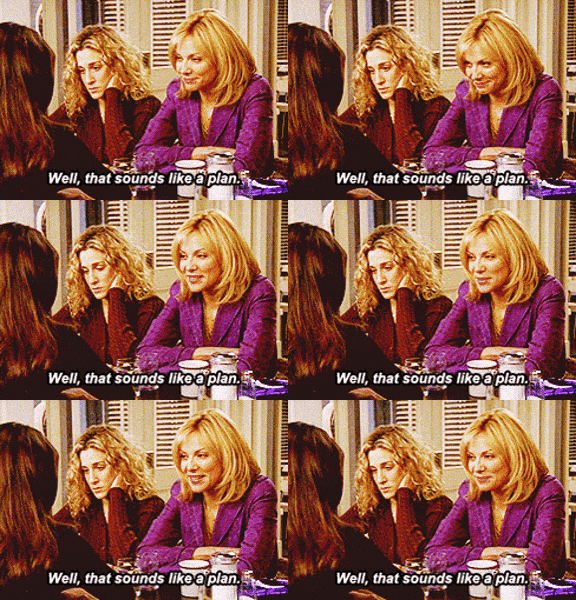

And then they all go off and take a nap. For the next few days they take her around Paris and show her the sites and introduce her to society. This is where Helen Fielding would have had a field day. A whole novel just on these three days. Matilda has been sheltered from society her whole life. She's never done any of this before. And she's uncomfortable with suddenly being a part of it.

This is rife with possibilities. Instead Parsons passes this opportunity by with one line. "Matilda was in a new world: the polite and sensible conversation she now enjoyed was so different from every thing of thi kind to which she had been accustomed, that she was mortified at her own deficiencies, and most assiduously endeavoured to profit by the good sense and elegant manners of her protectoress." If she'd just spun that line into a few chapters, or maybe its own book, more people might know her name alongside Jane Austen. But Parsons is busy with other things. She has a message.
BOYS DROOL, GIRLS RULE!
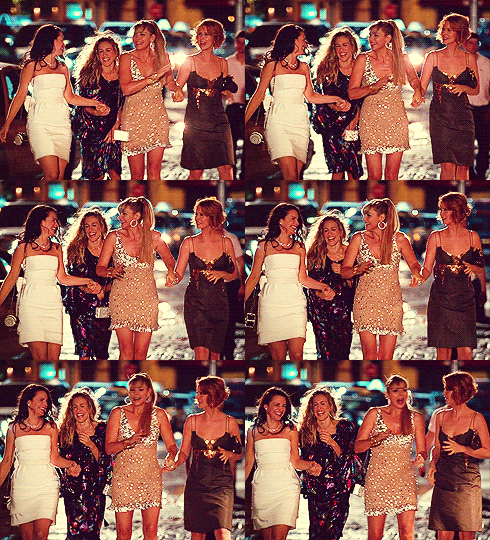
Wait what?
Men aren't really in the picture. Except for the Marquis, no other man is mentioned and he barely gets to speak. This is no good. Doesn't Parsons understand what is supposed to be important to a woman?
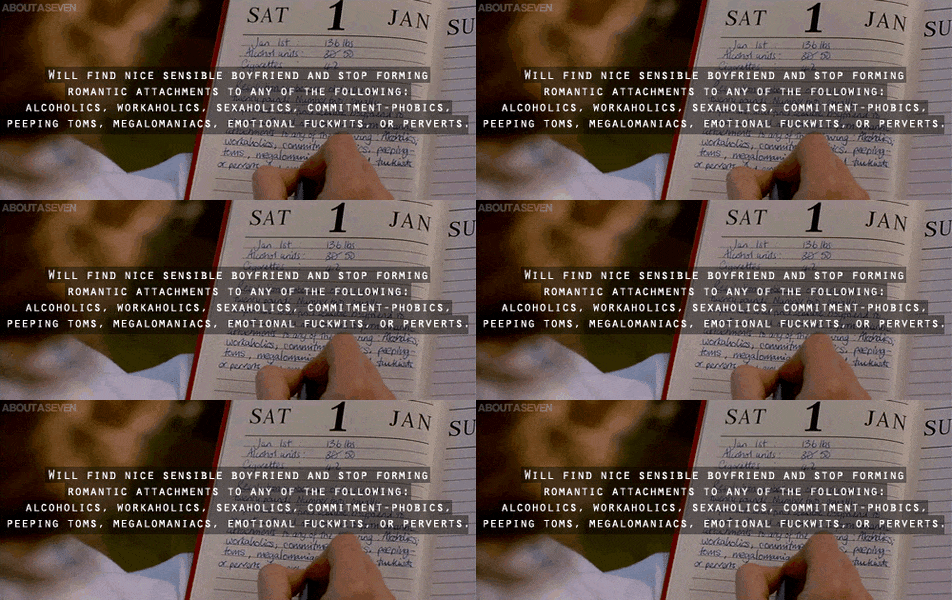
She doesn't.
Matilda and the Marchioness go to an assembly where Matilda does not meet or dance with any men. Mrs. Bennet would be beside herself with disappointment.

But then the Marchioness isn't even trying!! She only introduces Matilda to other women! How is she ever going to marry the girl off like that? But no. Instead she focuses on especially calling Matilda to the attention of the Countess De Bouville and her daughter Adelaide, and Madame de Nancy and her sister Mademoiselle De Bancre.
Men aren't really in the picture. Except for the Marquis, no other man is mentioned and he barely gets to speak. This is no good. Doesn't Parsons understand what is supposed to be important to a woman?
She doesn't.
Matilda and the Marchioness go to an assembly where Matilda does not meet or dance with any men. Mrs. Bennet would be beside herself with disappointment.
But then the Marchioness isn't even trying!! She only introduces Matilda to other women! How is she ever going to marry the girl off like that? But no. Instead she focuses on especially calling Matilda to the attention of the Countess De Bouville and her daughter Adelaide, and Madame de Nancy and her sister Mademoiselle De Bancre.
I mean, Parsons! Get it together! You are a woman so it's already difficult for you to make it into the literary canon. You will never get there if you don't include some men! And by that I mean some men who aren't evil. Ones the heroine can fall in love with! You know, This:

Or this:
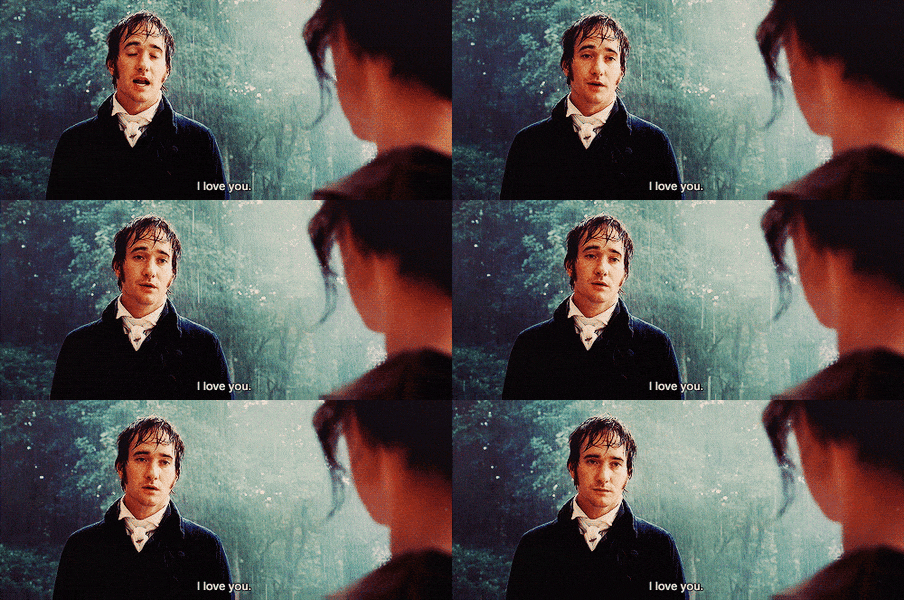
If you don't want love stories then just make the man the main character. Like this:

You need men, Parsons!!
But then it gets worse. The Countess De Bouville is a widow. Her daughter Adelaide is engaged, but he's not there. Neither is her brother, the current Count De Bouville. Then comes Madame De Nancy, who is in her 20s and also a widow. She was "sacrificed very early in life to an elderly man, every way unworthy of her," where she "suffered under his tyranny five or six years," died, and "left her the mistress of a large independence." And her sister, Mademoiselle De Bancre, "who had witnessed [Madame De Nancy's] bad treatment from an unworthy husband, determined never to marry."
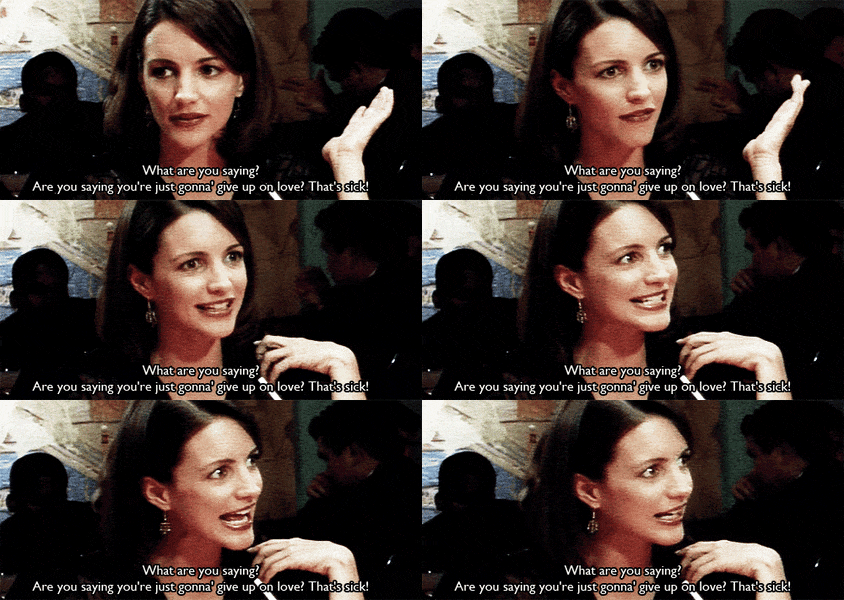
The sisters live together and seem completely happy on their own. In fact all the women seem completely happy together without men. To the point where they ignore the men at the party completely. "A swarm of beaus surrounded them, but [Matilda] thought their conversation, their fopperies, and fulsome compliments truly disgusting, on comparison with the sensible and elegant manners of her newly-acquired female friends."
No, No, No, Parsons. You aren't getting it. Women NEED men in order to be decent human beings. See?

Without them we are just sad beings who sing about how we are all alone in our ugly red pajamas.
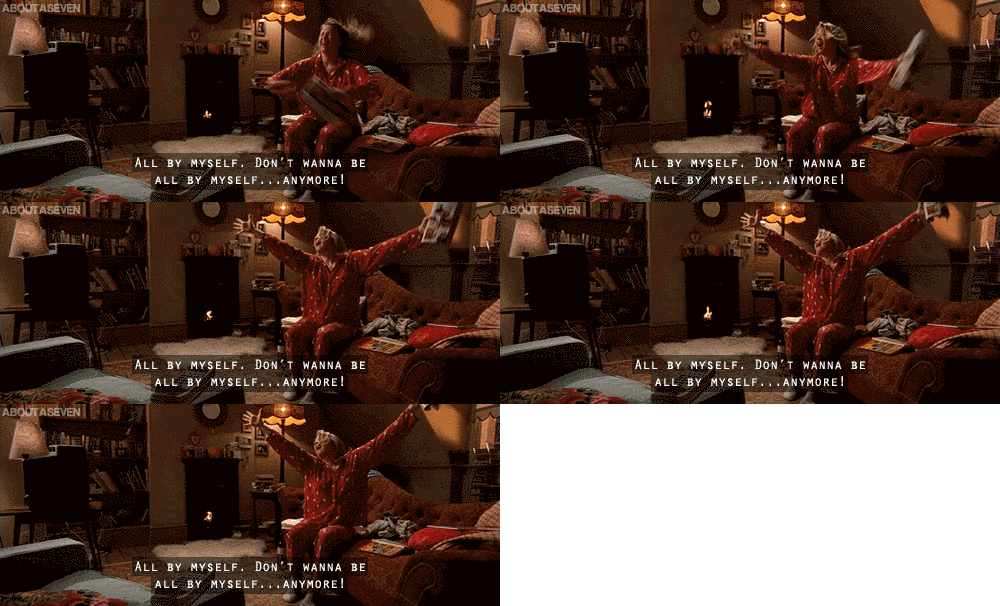
Do you understand?!?

Good. We are getting somewhere. You might make literary canon yet.
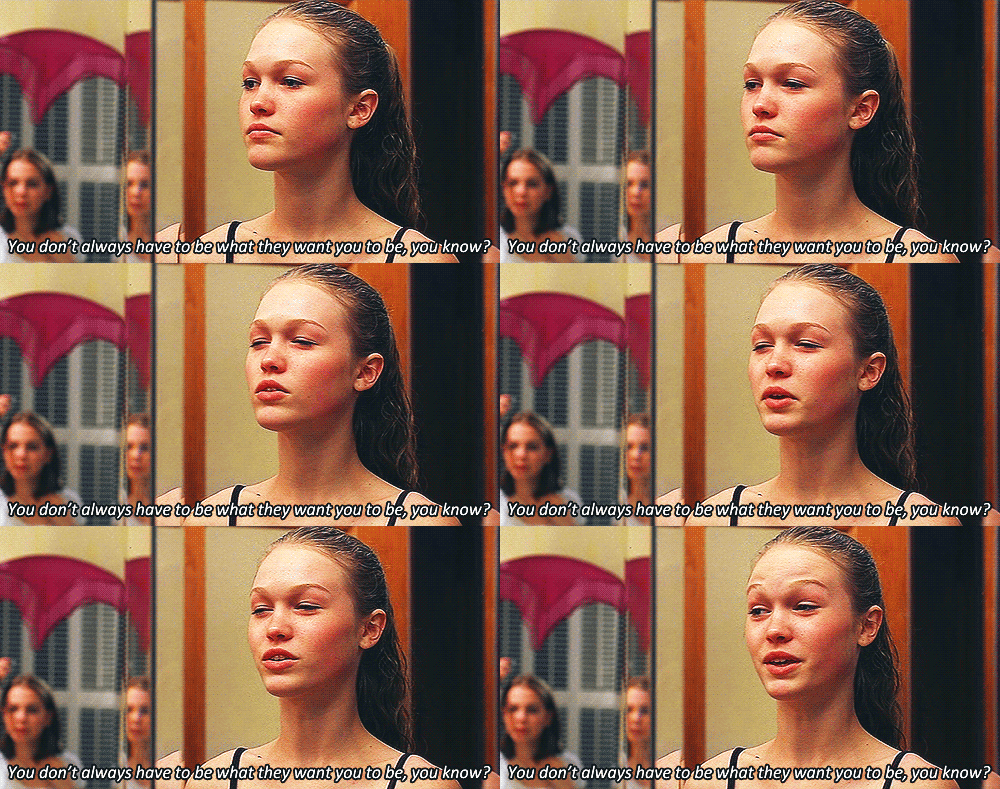
Okay. I give up. I'm loving this part of the book. It's refreshing.
Or this:
If you don't want love stories then just make the man the main character. Like this:
You need men, Parsons!!
But then it gets worse. The Countess De Bouville is a widow. Her daughter Adelaide is engaged, but he's not there. Neither is her brother, the current Count De Bouville. Then comes Madame De Nancy, who is in her 20s and also a widow. She was "sacrificed very early in life to an elderly man, every way unworthy of her," where she "suffered under his tyranny five or six years," died, and "left her the mistress of a large independence." And her sister, Mademoiselle De Bancre, "who had witnessed [Madame De Nancy's] bad treatment from an unworthy husband, determined never to marry."
The sisters live together and seem completely happy on their own. In fact all the women seem completely happy together without men. To the point where they ignore the men at the party completely. "A swarm of beaus surrounded them, but [Matilda] thought their conversation, their fopperies, and fulsome compliments truly disgusting, on comparison with the sensible and elegant manners of her newly-acquired female friends."
No, No, No, Parsons. You aren't getting it. Women NEED men in order to be decent human beings. See?
Without them we are just sad beings who sing about how we are all alone in our ugly red pajamas.
Do you understand?!?
Good. We are getting somewhere. You might make literary canon yet.
Okay. I give up. I'm loving this part of the book. It's refreshing.

